
How to Adjust Hearing Aid Settings for Outdoor Noise
If you’ve hiked part of the Bonneville Shoreline Trail, you know
By: admin | October 20, 2025
Your hearing connects you to nearly everything in your daily life, from casual conversations with coworkers to phone calls with loved ones to the sounds that keep you aware of your surroundings. Because hearing changes tend to happen gradually, you might not realize how much you’re adapting or compensating until someone else points it out or you find yourself struggling in situations that used to feel effortless. A hearing test gives you clear information about where you stand right now, creating a starting point that helps you understand whether anything has shifted and what that means for your day-to-day life. Even if everything feels fine, knowing your baseline is valuable.
The benefits of staying on top of your hearing health extend well beyond just the physical ability to hear sounds. When you can follow conversations easily, you’re more likely to feel confident in social settings, contribute actively in meetings and maintain the relationships that matter most to you. Clear hearing also reduces the mental strain that comes from constantly trying to fill in missed words or asking people to repeat themselves. Getting a hearing test is a straightforward way to gather information about your health, similar to checking your vision or blood pressure. It’s not about looking for problems but rather about understanding your current situation so you can make informed choices that support your comfort and connection with the world around you.
Hearing tests are straightforward, non-invasive checks that measure how well you hear different sounds and tones. About 15% of adults in the United States report some trouble hearing, highlighting how common hearing changes can be.
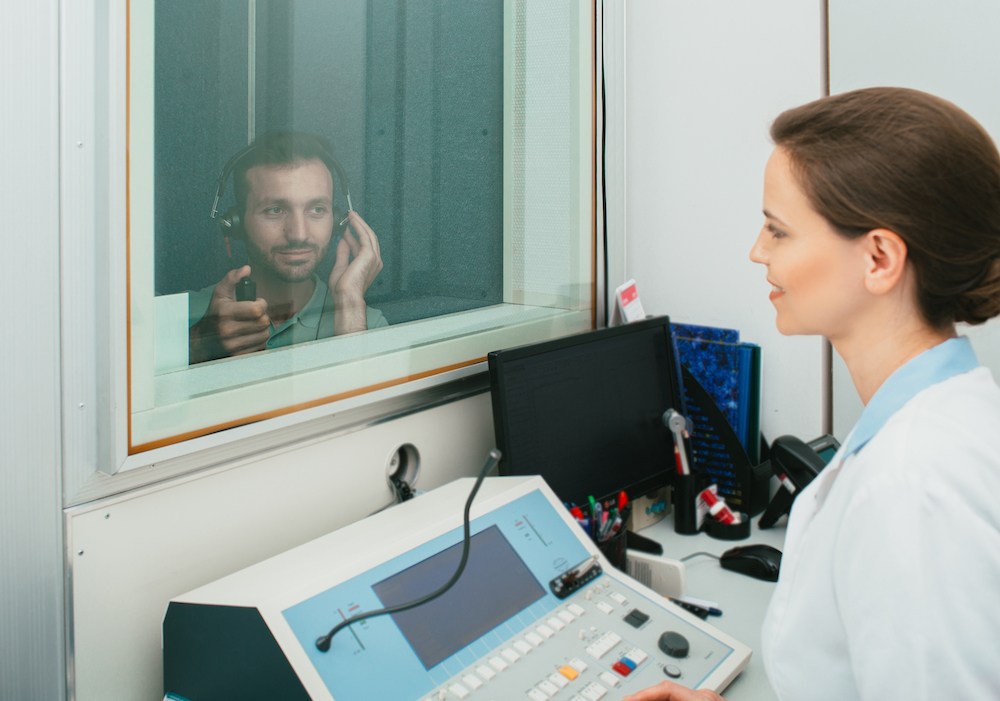
These tests are usually done in a quiet room where you listen to a series of sounds through headphones. The results help your audiologist understand your specific hearing needs and recommend the best next steps for you.
Good hearing plays a major role in how you interact with the world each day. It helps you stay connected with family, friends and coworkers, making conversations smoother and more enjoyable.
Being able to hear well also means you are more likely to notice important sounds like alarms, doorbells or traffic, which can help keep you safe. Good hearing supports learning, working and participating in hobbies or social events. When you understand the value of hearing health, you can stay active and confident in your daily routines.
Certain changes in how you hear day-to-day sounds can indicate it’s time to schedule a hearing test. You might notice that the TV or music needs to be louder than others prefer, or that phone calls feel more difficult to understand. Frequently asking people to repeat themselves or leaning in to hear conversations that once felt easy can also be early warning signs.
Struggling to follow conversations in noisy places like restaurants, social gatherings or busy work environments is another common signal. Missing familiar sounds like doorbells, alarms or notifications on your phone can indicate subtle changes in your hearing. Feeling left out of group conversations, mishearing words or noticing that background noise seems overwhelming are all signs to pay attention to. Keeping track of these changes helps you recognize patterns and decide when it’s the right time to have your hearing evaluated.
Hearing loss can have a strong effect on your social life and relationships. If you have noticed changes in how easy it is to connect with friends or family during conversations, you are not alone.
When hearing becomes more difficult, you may miss out on jokes, stories or important details in group settings. This can sometimes lead to feeling left out or misunderstood, even among close friends and family. Over time, these small issues can make social gatherings less enjoyable.
Communication is essential for building and maintaining strong relationships. If you often need others to repeat themselves or if you mishear words, misunderstandings can happen more often. This can sometimes create frustration or distance between you and the people you care about.
Untreated hearing loss can lead to emotional changes, like feeling more irritable, anxious or even sad. These feelings may develop slowly as communication becomes more difficult and social activities are avoided.
Recognizing how hearing loss affects your emotions can help you notice changes in your mood or behavior. This awareness makes it easier to talk about your experiences with others and find ways to manage stress or frustration related to hearing challenges.
Safety can become a concern when changes in hearing are missed or ignored. Everyday situations may carry more risk if you are not fully aware of sounds around you.
Some important safety risks include missing the sound of smoke alarms or emergency alerts, not hearing approaching vehicles while walking or biking, and being unaware of someone calling out a warning. You might also miss doorbells, timers or other signals that help keep your home safe.
Even small changes in hearing can make it harder to notice these important sounds. Staying aware of your hearing health helps lower the chance of accidents and supports a safer environment at home and in public.
Early hearing tests can have a positive impact on your long-term hearing health. When changes are found early, you have more options and a better chance of keeping your current level of hearing. Acting sooner can also help prevent problems from getting worse.
Research shows that people who address hearing loss early are more likely to stay active and involved in their daily lives. Adults who use hearing aids soon after noticing changes often report higher satisfaction with their devices.
Early testing also helps track small changes over time, making it easier for your audiologist to adjust care as needed. This approach supports better results and helps you stay connected to the sounds that matter most.
When you come in for a hearing appointment, the audiologist will start by asking about your hearing history and any concerns you may have noticed. This includes questions about how you hear in everyday situations, like following conversations in noisy environments or noticing changes in volume preferences for things like the TV or phone calls. Sharing this information helps the audiologist understand the specific challenges you may be experiencing and gives context for any tests that will follow.
The audiologist will also review your medical background, including any conditions or medications that could affect hearing. Understanding your overall health and ear history is important for a complete picture of your hearing. They may ask about past ear infections, surgeries or exposure to loud noises, as well as family history of hearing changes. This discussion is paired with a careful examination of your ears, looking for any visible issues that could impact hearing or comfort. These steps help ensure that the upcoming tests are tailored to your needs and provide accurate, meaningful results.
When you come in for a hearing evaluation, the audiologist starts by gathering information about your hearing history, daily experiences and any concerns you may have. Understanding how hearing changes are affecting your life helps us determine which tests will provide the clearest picture of your ear health. Different tests examine various parts of the hearing system, from the outer ear to the inner ear and how your brain interprets sound.
Common tests include:
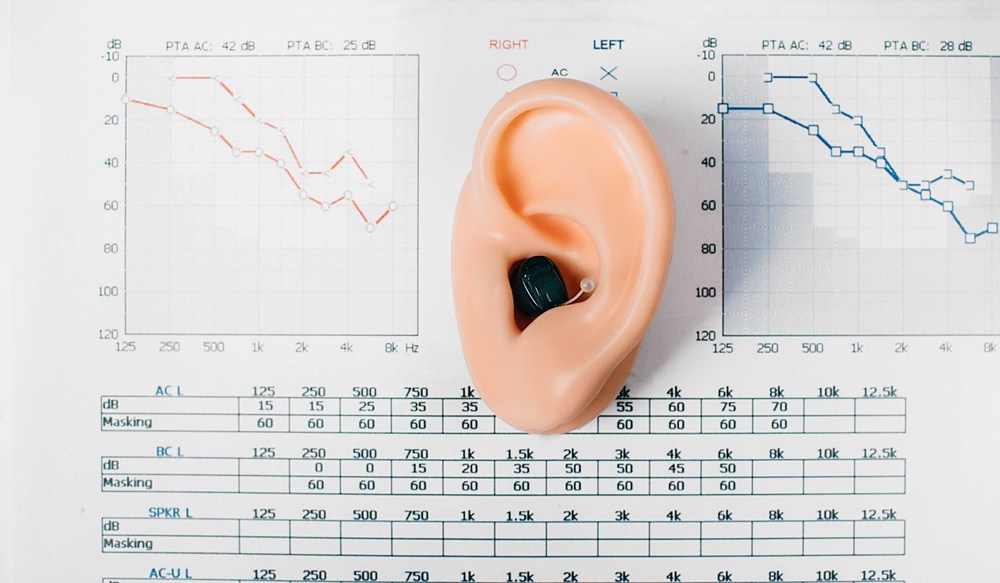
Your hearing test results give your audiologist clear information about the type and degree of hearing loss you may have. These results show which sounds are hardest for you to hear and whether one or both ears are affected. With this information, we can recommend care that matches your specific needs.
Based on your test results, care planning may include:
Hearing tests are an important part of staying connected, confident and safe in your daily life. By understanding your hearing health, you can make choices that support strong relationships, clear communication and active participation in the things you enjoy. Early testing and regular checkups help address any changes before they affect your quality of life.
If you have noticed changes in your hearing or want to learn more about how hearing tests can benefit you, reach out to the team at EarTech Audiology. You can reach our Ogden, Brigham City and Farr West, Utah offices at: (866) 464-1008. Taking the next step toward better hearing can help you enjoy each day with greater confidence and comfort.
Tags: OAE tests, speech tests, tympanometry
If you’ve hiked part of the Bonneville Shoreline Trail, you know
By: admin | August 24, 2026
There’s a certain kind of loud at a packed outdoor concert or busy
By: admin | May 18, 2026

Your brain is running in the background of every conversation you have.
By: admin | March 25, 2026