
How to Adjust Hearing Aid Settings for Outdoor Noise
If you’ve hiked part of the Bonneville Shoreline Trail, you know
By: admin | July 29, 2025
Summer puts your hearing aids through different challenges than the rest of the year. Between the extra humidity, more time spent outdoors and increased sweating from activities and heat, your devices are dealing with moisture levels they don’t encounter during cooler months. This doesn’t mean your hearing aids can’t handle summer activities, but it does mean they might need a little extra attention to keep working their best when you need them most.
The key to summer hearing aid care is staying ahead of potential issues rather than waiting for problems to develop. Simple adjustments to your daily routine can make a big difference in how well your devices perform during hot, humid weather. Whether you’re spending time at the pool, working in the garden or just dealing with the general stickiness of summer air, taking care of your hearing aids doesn’t have to be complicated. With the right habits, your hearing aids can handle everything summer throws at them while keeping you comfortable and confident in all your favorite warm-weather activities.
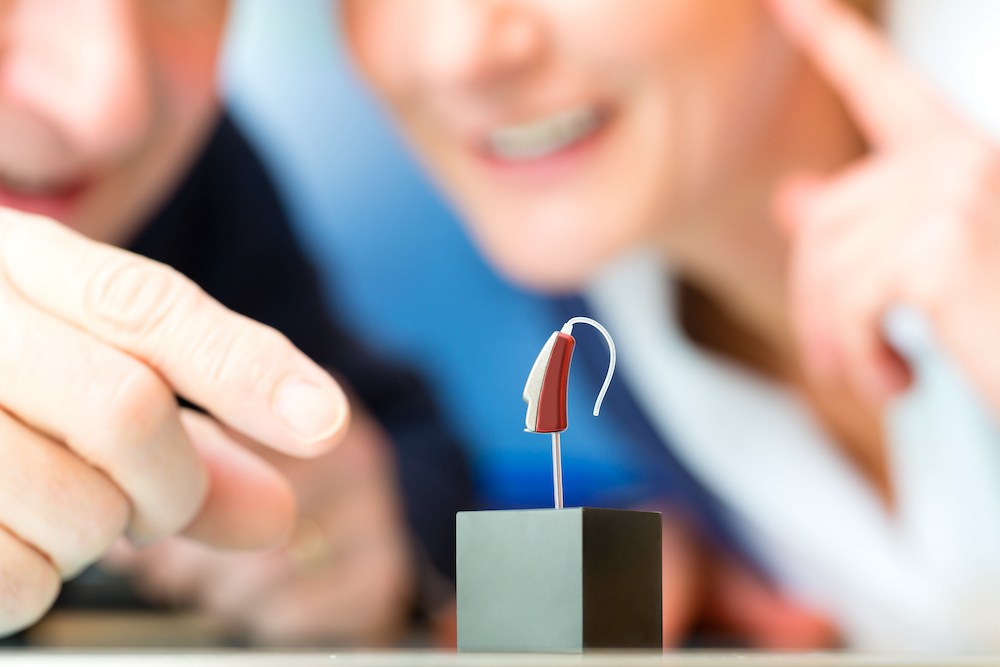
Hearing aids may be small, but they contain several important parts that work together to help you hear more clearly. One of the main components is the microphone. This part picks up sounds from your environment and converts them into electrical signals. Modern hearing aids often have multiple microphones to help you focus on specific sounds, like a friend’s voice in a noisy room, while reducing background noise that can make listening tiring or confusing.
After the microphone collects sound, the signals travel to the amplifier. The amplifier increases the strength of these signals based on your specific hearing needs. It does this by using settings programmed by your audiologist, who tailors the sound levels to match the results of your hearing test. The amplifier ensures that quiet sounds become audible while loud sounds remain comfortable, providing balanced hearing in a variety of environments.
The receiver, also called the speaker, turns the amplified electrical signals back into sound and delivers it to your ear. This part is carefully designed to fit your ear shape and ensure that sound is delivered as naturally as possible. Depending on the style of your hearing aid, the receiver might sit inside your ear canal or be housed in the body of the device itself.
Other important parts include the battery, which powers the entire device, and the controls, which may allow you to adjust volume or switch between listening programs. Many hearing aids also contain small vents or tubing to help reduce feedback and maintain a natural sound quality.
During the summer, heat and humidity can place extra stress on these components. High temperatures may cause batteries to lose power more quickly or even leak, while moisture from sweat or humid air can get into microphones and receivers, leading to muffled sound or temporary failure. The amplifier and internal circuits are sensitive to moisture as well, and excess heat can weaken seals or casings over time. Being aware of these risks and taking steps to keep your hearing aids cool and dry can help preserve their performance and extend their lifespan.
Summer weather affects hearing aids in ways you might not expect. High temperatures and increased moisture from sweat or humidity can change how your devices function compared to cooler months. Even a short walk on a hot day can impact performance.
Spending more time outside is great for staying active and social, but heat and moisture can cause battery drain, weak sound quality or even temporary malfunctions if water enters the device. Staying aware of these risks allows you to take steps that help your hearing aids last longer and work better all season.
High temperatures may cause hearing aids to overheat, affecting their performance. Prolonged exposure to heat can put stress on delicate internal circuits, making them more likely to fail over time. The plastic casings can also become warped or cracked if left in a hot car or in direct sunlight for too long, reducing the protective seal that keeps moisture and debris out. When internal parts and batteries get too warm, you might notice shorter battery life or sudden shut-offs. Excessive heat speeds up the chemical reactions inside batteries, draining their power faster and sometimes causing them to swell or leak.
To help prevent these problems, keep your hearing aids out of direct sunlight and away from hot surfaces. Store them in a cool, dry case when you take them off during outdoor activities or while resting in hot environments. If you notice changes in sound or battery performance, reach out to our team for guidance. Storing your devices in a cool, dry place when not in use and removing the batteries overnight can also help reduce the impact of heat.
Moisture from sweat, rain or humid air can find its way into your hearing aids during summer. This can lead to static noises, muffled sound or battery problems. Over time, too much dampness can damage the small parts inside your devices and increase the need for hearing aid repairs. Sweat is a common source of moisture that can enter the small openings of your hearing aids and cause them to stop working or sound distorted.
Being near pools, lakes or the ocean also adds extra risk. Even if you are not swimming with your hearing aids on, splashes or accidental drops into water can cause serious damage. Chlorine, saltwater and sand can be especially harsh on the delicate components inside your devices. It is best to remove your hearing aids before swimming or playing in the water, and keep them stored safely away from splash zones.
To help protect your hearing aids during outdoor activities, consider using a sweatband or headband to catch moisture before it reaches your ears. Special covers designed for hearing aids can also help block sweat and dirt from getting inside. After spending time outside, gently wipe your devices with a soft, dry cloth to remove any moisture or debris. Storing them in a drying case or dehumidifier overnight, if available, can help keep them dry and in good working order. These simple steps reduce the risk of damage and help your hearing aids stay reliable all summer long.
If your hearing aids get wet from rain, sweat or an accidental splash, the first step is to remove them from your ears right away. Gently turn them off if you can, then dry the outside with a soft, clean cloth. Open the battery compartment and remove the battery to help air circulate and prevent corrosion. Leaving the battery door open allows any trapped moisture to begin drying naturally. This is an important first step in minimizing damage before it has a chance to spread deeper into the device.
Once you have dried the surface, place your hearing aids in a drying kit or dehumidifier if you have one. These tools are designed to safely remove moisture from the internal components without using direct heat that might damage sensitive parts. Avoid placing your hearing aids near radiators, vents or in direct sunlight to speed drying, as excessive heat can warp plastic casings and harm the electronics. If your devices continue to sound distorted or fail to turn on after thorough drying, contact your audiologist for an inspection. Prompt attention can often prevent minor water exposure from becoming a bigger, costlier repair.
During summer, tubing and earmolds on some hearing aids can become blocked with sweat, wax or debris from outdoor activities. Blocked tubing may cause weak or distorted sound.
Check tubing and earmolds regularly for any signs of buildup. If you see anything inside, use a cleaning tool or air blower designed for hearing aids to remove it gently. Keeping these parts clear helps you hear well during all your summer plans.
After outdoor activities, hearing aids may collect sweat, dust or sunscreen. Wipe your hearing aids with a soft, dry cloth as soon as you come indoors. Check the microphone openings and battery doors for any signs of dirt or moisture. If you notice anything stuck in small parts, use a cleaning brush or tool made for hearing aids. Regular care helps your devices last longer and work better each day.
Hot weather can be tough on hearing aids, so storing them properly is essential for keeping them in good working condition. When you are not wearing your hearing aids, choose a cool, dry place away from direct sunlight. Avoid leaving them in places that can heat up quickly, like inside a parked car or on a sunny windowsill. High temperatures can cause batteries to drain faster, plastic casings to warp and internal components to overheat or fail prematurely.
Using a dedicated storage case or dehumidifier can also help protect your hearing aids during warm weather. A drying case not only keeps devices safe from dust and debris but also helps remove any lingering moisture that might have built up during the day from sweat or humid air.
Many people notice changes in how their hearing aids work during the summer months. These changes often show up as muffled sounds, sudden battery drain or static noises that were not present in cooler weather. Heat, humidity, sweat and outdoor dust all contribute to temporary issues or long-term wear on sensitive components inside the devices. Even a short walk on a humid day or time spent in a hot car can affect performance more than you might expect.
If your hearing aids start to sound weaker or need new batteries more often after being outside, check them for signs of moisture, dirt or buildup right away. Look around the microphone ports, battery doors and tubing for condensation or debris. Gently drying them with a soft cloth and placing them in a dehumidifier overnight can often solve the issue before it turns into a bigger problem. Acting quickly helps prevent long-term damage and keeps your hearing aids performing at their best so you can continue enjoying
Traveling with hearing aids requires some preparation. Use a sturdy case to protect them from bumps, dirt and sudden temperature changes. Pack extra batteries, cleaning tools and a small drying kit in your travel bag. Keep your hearing aids with you in your carry-on instead of checked luggage to reduce the risk of damage or loss.
Taking a little extra care of your hearing aids during the summer can go a long way toward avoiding disruptions when you want to be out enjoying yourself. Wiping them down at the end of the day, storing them in a dry, cool place and being mindful of moisture from sweat, rain or even a quick jump in the pool all help protect the delicate components that make your devices work so well. These simple steps help you hold on to clear sound quality and reduce the risk of unexpected repairs or frustration.
If you ever have questions about caring for your hearing aids during the warmer months or want professional advice tailored to your lifestyle, we are ready to help. Contact EarTech Audiology in Ogden, Brigham City and Farr West, Utah offices at: (866) 464-1008. We are happy to talk with you about the best ways to keep your hearing aids performing at their best all summer long so you can stay focused on the conversations and experiences that matter most.
If you’ve hiked part of the Bonneville Shoreline Trail, you know
By: admin | August 24, 2026
There’s a certain kind of loud at a packed outdoor concert or busy
By: admin | May 18, 2026

Your brain is running in the background of every conversation you have.
By: admin | March 25, 2026